


Skip to content

Mission statement

Individualized opioid prescribing starts with understanding each patient.

The mission of OpAIx is to support surgeons in reducing or eliminating excess opioid prescribing at hospital discharge through innovative models that estimate each patient's individual needs.

Patient-specific predictions of post-discharge opioid needSchematic paths begin from different patient inputs, pass through a shared model, and end at different predicted post-discharge opioid needs. Three paths are highlighted. Not a patient record.ProcedurePatientcharacteristicsClinical historyPredicted post-dischargeopioid need

Founded in Pittsburgh by UPMC physicians and AI researchers.

Why discharge prescriptions need to change

Patients leaving the hospital may receive more opioid pills than they need. Unused medication can create opportunities for misuse, accidental exposure, and diversion within households and the wider community.

Medication take-back programs aim to reduce this surplus, but collecting unused pills addresses the problem after they have already been prescribed.

OpAIx focuses on the prescribing decision itself: helping surgeons estimate how many opioid pills an individual patient may need after discharge. The goal is to support appropriate pain management while minimizing leftover medication and the risk of diversion.

From one-size-fits-all prescriptions to individualized prescribing

Opioid needs after discharge depend on more than pain alone. OpAIx's approach considers the patient's clinical context, treatment history, and recovery to support a more individualized estimate.

  1. Expected postoperative pain trajectory

    How pain is expected to change throughout recovery.

  2. Type of surgery

    The procedure and its associated recovery needs.

  3. Patient and family medical history

    The individual’s medical background and relevant family history.

  4. Opioid use before surgery

    The patient’s history of opioid use before the procedure.

  5. Opioid use during hospitalization

    The amount of opioid medication used during the hospital stay.

  6. Patient education

    Guidance on which medication to take at different levels of pain.

  7. Overall pain management approach

    The broader treatment plan, including non-opioid strategies.

Selected facts

Perioperative clinical research program established
2002
Research subjects enrolled
Thousands
Patent filed
1
Two rivers meeting in Pittsburgh at dusk, with bridges and a fountain at the point.
Pittsburgh. The work sits here because the clinical research already did.

Why pain. Why Pittsburgh.

Pain matters. Individual needs go further.

Severe postoperative pain can interfere with recovery, including a patient's ability to regain function. Reducing pain is important, but pain alone does not determine how many opioid pills a patient may need after leaving the hospital.

OpAIx was founded to help surgeons make more individualized prescribing decisions by considering expected pain alongside the other factors that shape opioid needs. Our goal is to support recovery while minimizing unused pills after discharge.

Developed in Pittsburgh, OpAIx draws on the research experience of Co-Founder and CMO Dr. Jacques Chelly. He brings more than 30 years of clinical research experience, including work at the University of Pittsburgh since 2002, exploring postoperative opioid needs and alternatives to opioids in acute perioperative care.

Empty recovery bay at dusk, unused bed and a dark monitor, brick buildings outside the window.
A postoperative recovery bay.

Research

Selected peer-reviewed work in perioperative pain that includes publications co-authored by co-founder Dr. Jacques Chelly. Titles link to the publisher record; brief summaries below are written for this site and are not taken from the articles. They describe clinical context only and do not validate OpAIx models.

Bound medical books beside a pencil sketch of a falling ink line that continues as a dashed teal forecast.
The record the work rests on.

Leadership

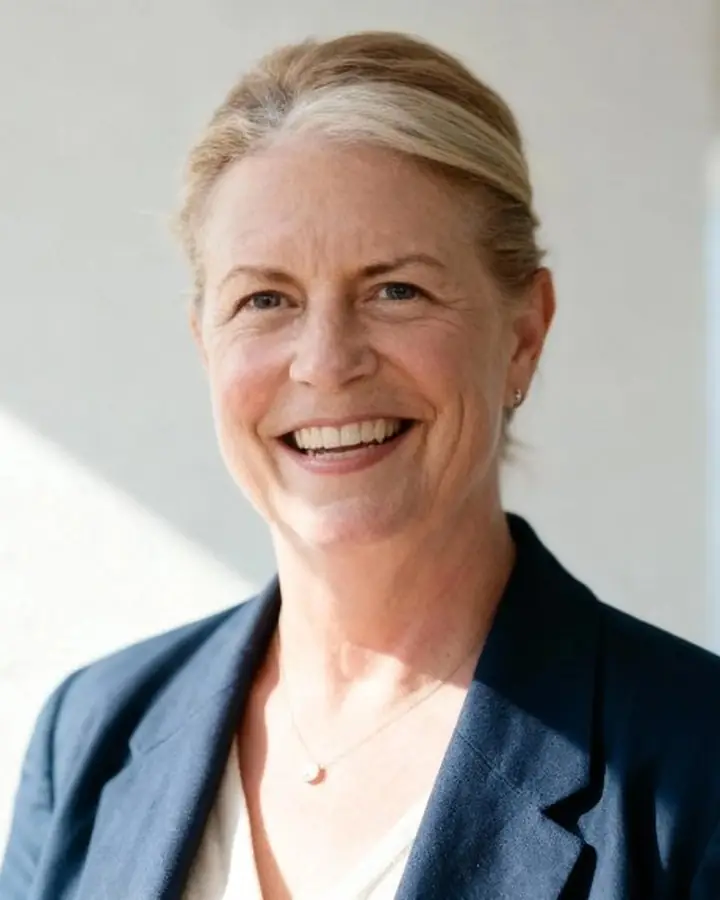
Lorelee Chelly, Co-Founder & CEO

Lorelee Chelly

Co-Founder & CEO

Focused on building AI tools that make clinicians more effective and elevate the accuracy and speed of patient care. She turns complex data and machine-learning research into solutions clinicians can actually use, improving decision-making, streamlining diagnostics, and enabling better outcomes at scale.

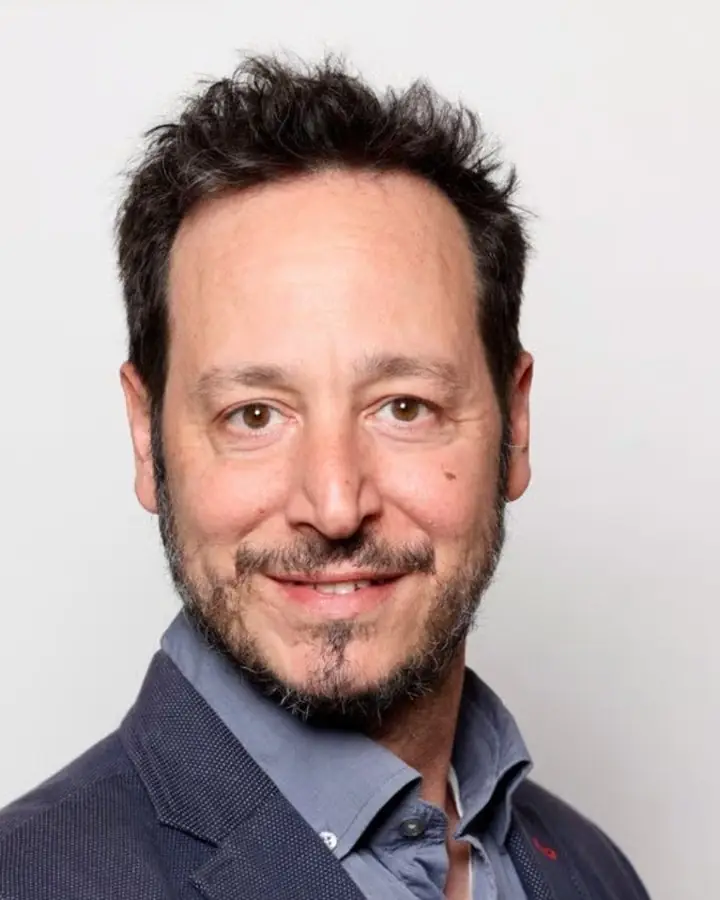
Dr. Jacques Chelly, Co-Founder & CMO

Dr. Jacques Chelly

Co-Founder & CMO

Anesthesiology, University of Pittsburgh

Dr. Chelly has over 30 years of clinical research. Since 2002 he has led the University of Pittsburgh’s anesthesiology clinical research program, which has enrolled thousands of subjects. Author of Peripheral Nerve Blocks: A Color Atlas (Lippincott Williams & Wilkins) and holder of patents in regional anesthesia delivery.

Yan Chelly, CPO AI & ML

Yan Chelly

CPO AI & ML

AI & ML product leader with two decades of building and scaling data-driven products. Specialized in transforming complex machine-learning research into commercially successful, user-centric solutions. Known for shipping fast, aligning cross-functional teams, and driving measurable business impact across enterprise and consumer platforms.

How we handle patient data

HIPAA and de-identification

Work that involves protected health information is designed to sit inside a health system’s HIPAA programme. Data used to develop or evaluate models is de-identified where the research protocol allows. This is not a certification badge.

IRB oversight for research data

When academic partners contribute clinical research data, it is used only under that institution’s IRB-approved protocol and the agreements that come with it.

Access to systems

Access to systems that hold clinical data is limited to named people, authenticated, and logged. Details of hosting and controls are shared with health-system partners under NDA.

Start a conversation about discharge prescribing

Surgeons, CMIOs, anesthesiology and peri-operative chiefs, health-system innovation teams, clinical research partners, and seed investors should write. We will say plainly where the models are in validation and what a collaboration would take.

contact@opaixllc.com
+1 (412) 953-4374
Pittsburgh, Pennsylvania